Design and Strategy
Product Design
Health Tech
UX Processes

Empowering individuals with epilepsy through personalized tracking and support
10 Minute Read
⚡️
This project is part of a business course in which we developed a product from concept to execution, incorporating market analysis, customer needs assessment, and basic financial planning. I had the opportunity to work on all parts with an emphasis on product design!
Problem
Epilepsy patients rely on infrequent, invasive blood draws to track medication levels, creating uncertainty and increasing seizure risk.
Solution
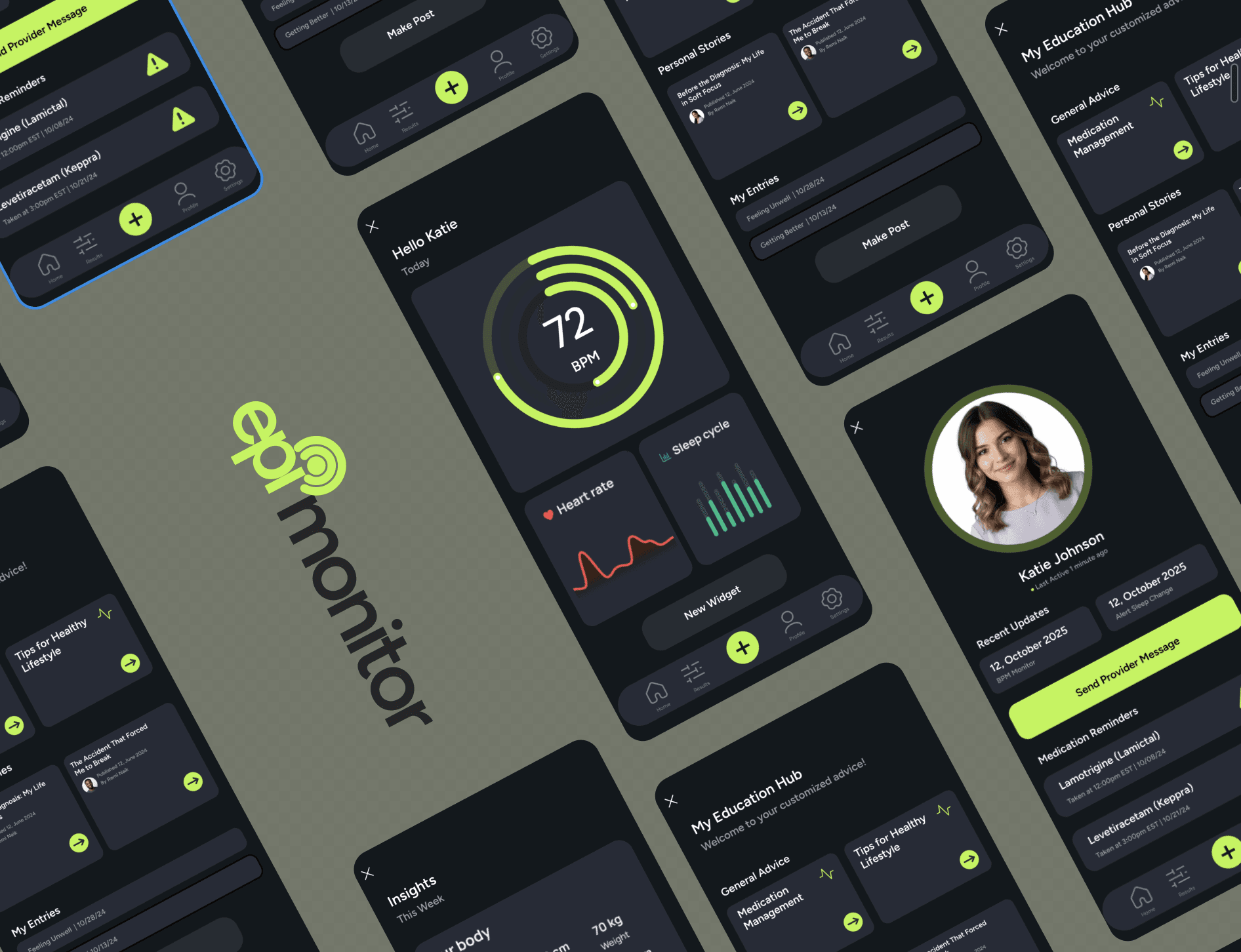
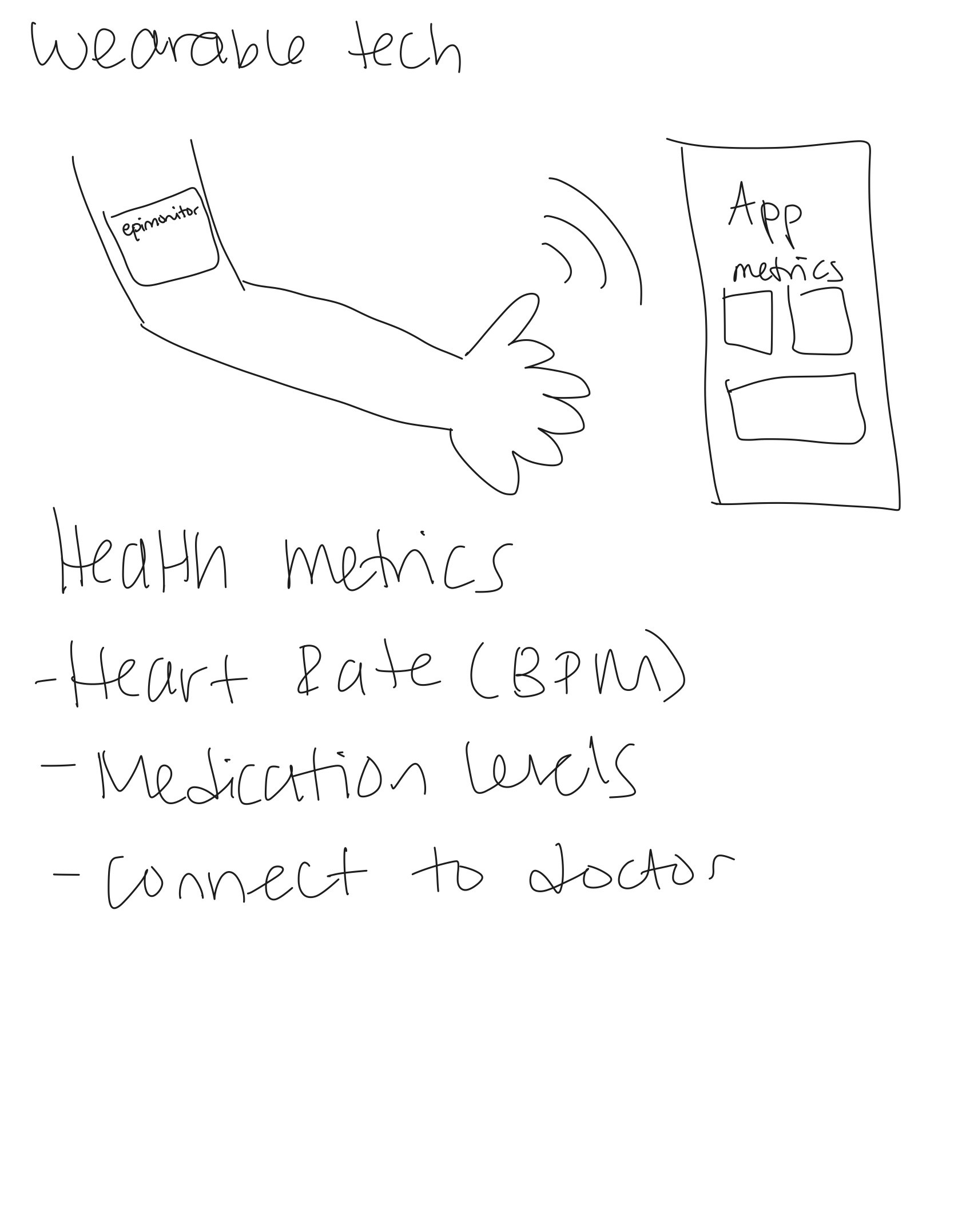
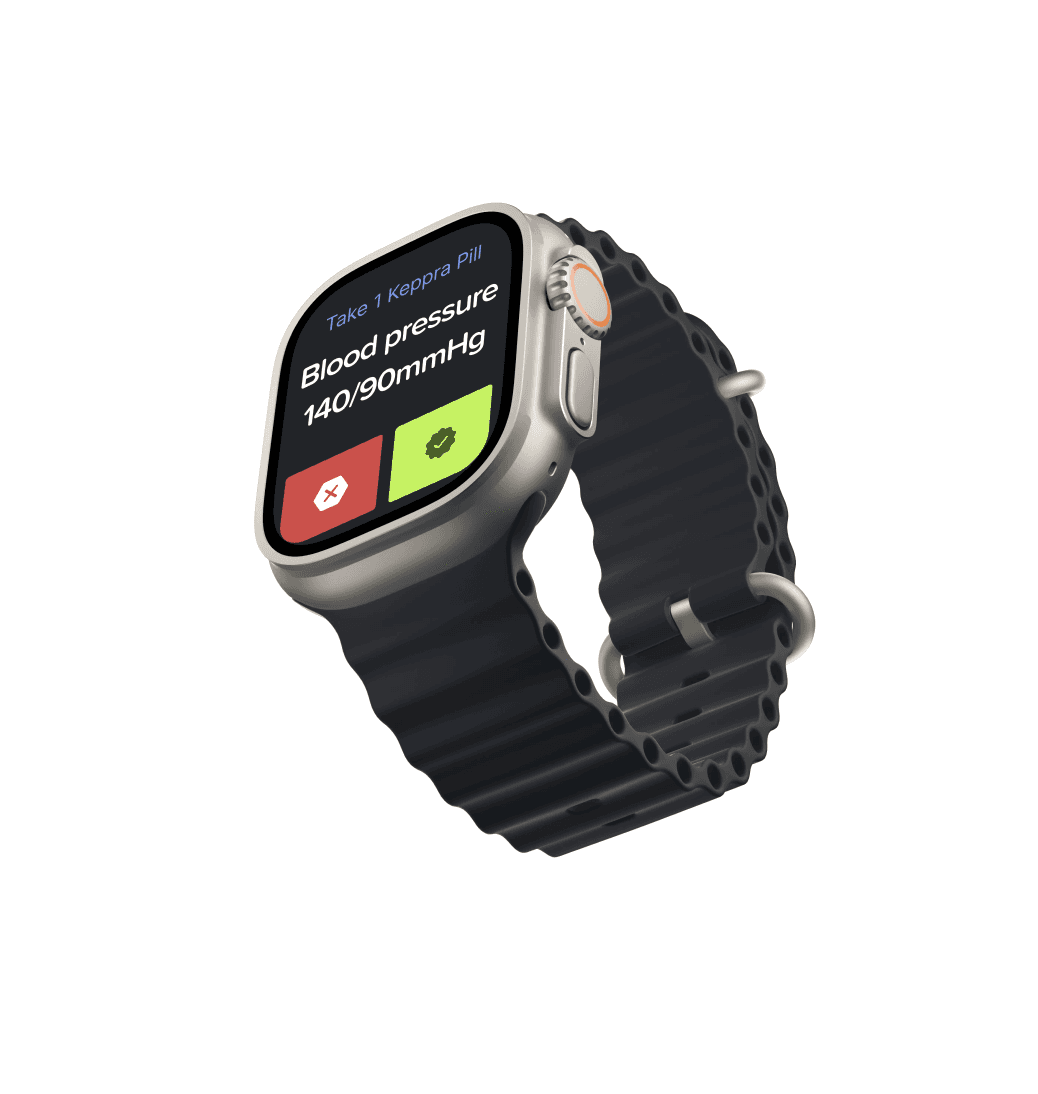
Epimonitor is a wearable that continuously monitors antiseizure medication levels and delivers real-time alerts via a secure app.
My Role
UX Researcher and Designer
Team of 4
I focused on product design and strategy
Team members focused on business etc.
Scope
3 months
Q3, 2024
Project as a part of a Business Course at the University of Michigan, ES 395
Overview
Epimonitor is a wearable medical device designed to non-invasively measure antiseizure medication levels in real time for people living with epilepsy. Current monitoring depends on rigid, infrequent blood draws, creating a reactive system that leaves patients vulnerable to breakthrough seizures and preventable emergency care.
We began to ask…
How might we build a solution that supports clinicians with continuous data while ensuring patients feel safe, private, and in control?

Our Solution had to emphasize
Safety
Trust
Control
Privacy
User Research
📊 Surveys
We kicked off our research by launching a short, targeted survey via Google Forms. Within the same day, we collected 50 responses by sharing the link across online epilepsy communities, student groups, and social media channels. After analyzing the results, we were able to pinpoint the most common pain points and the features users wanted most, especially around real-time medication visibility, seizure prevention, and ease of use.
50 Responses
Demographic: Undergraduate and Graduate Students at the University of Michigan
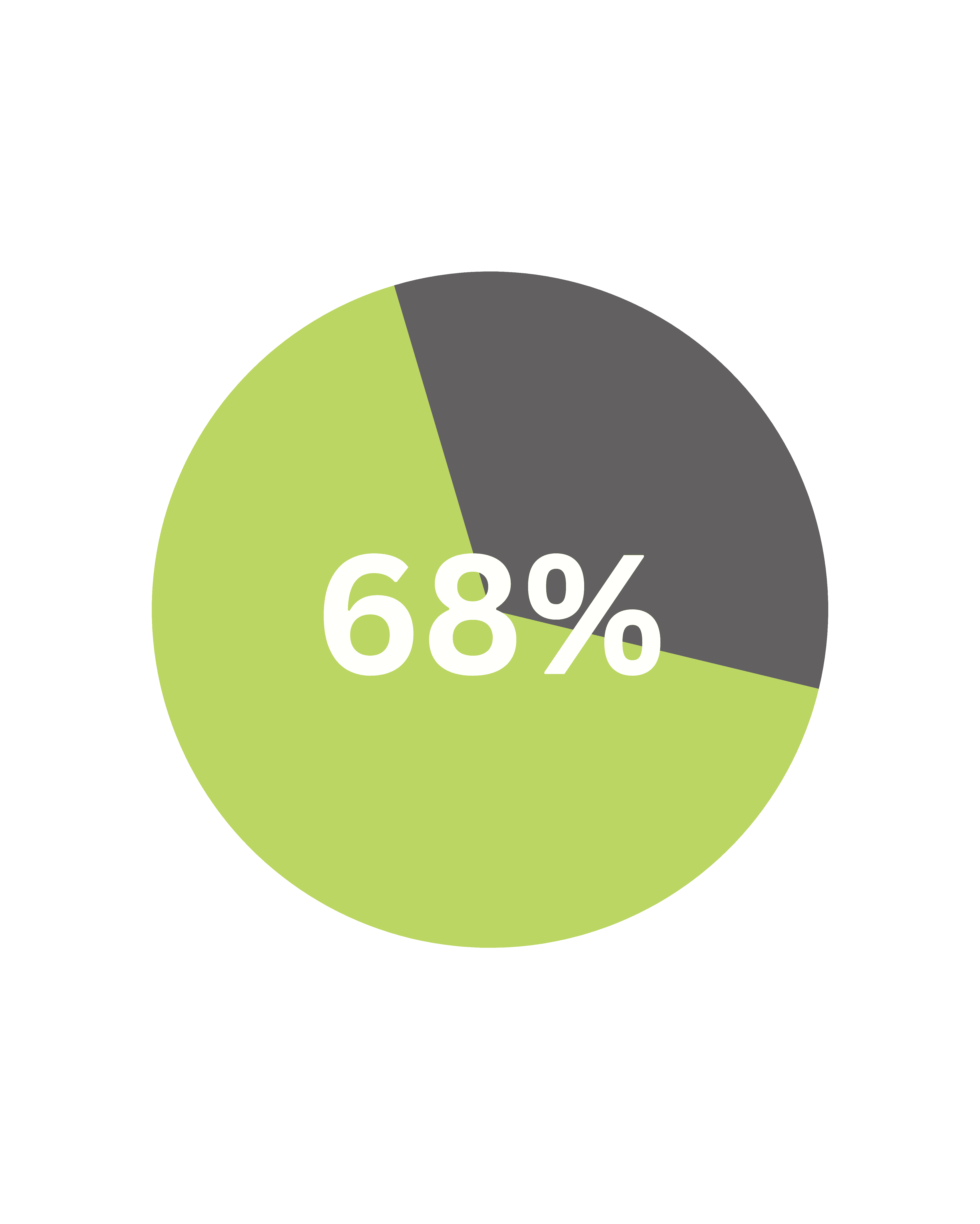
I want more control over my health decisions
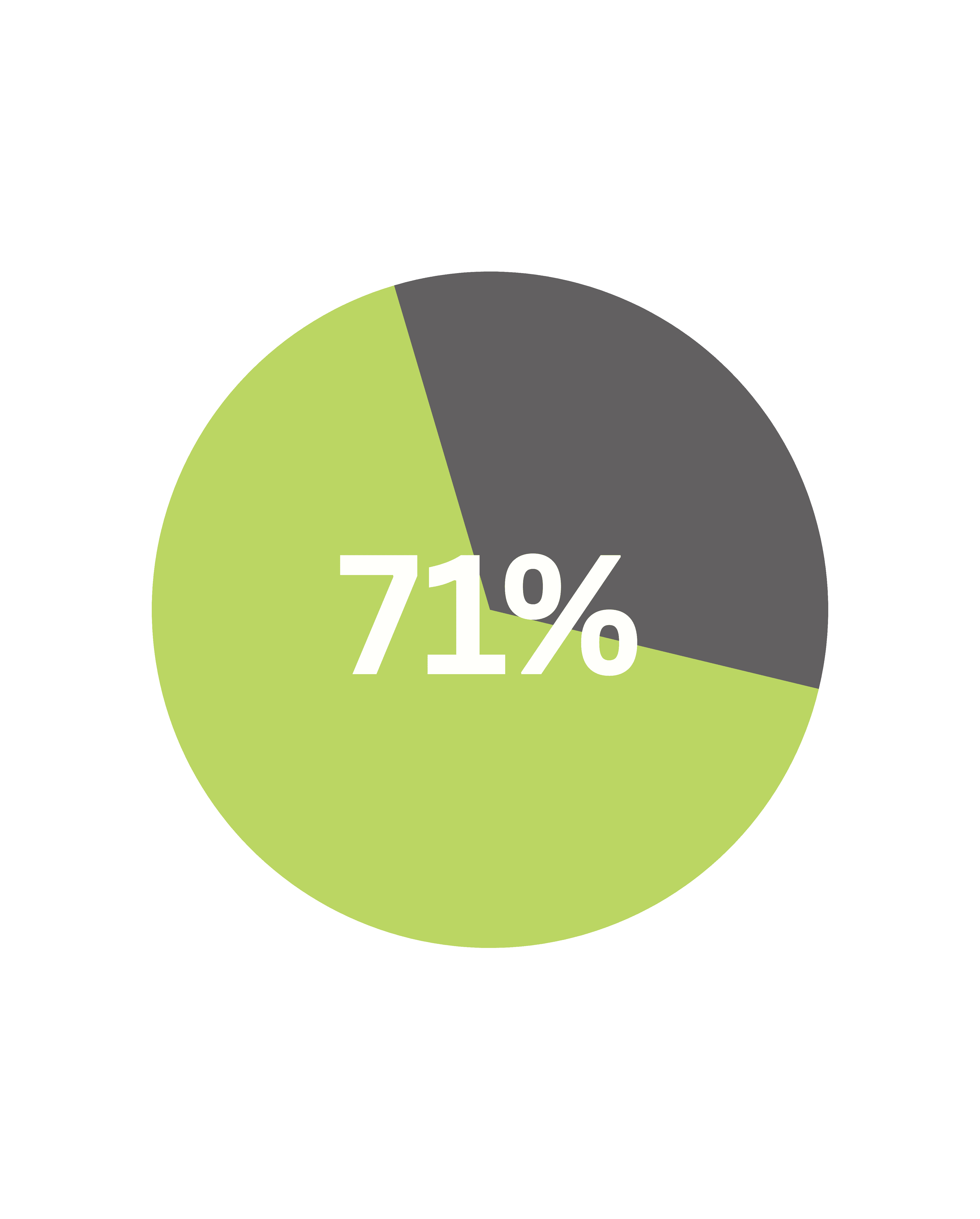
My busy schedule gets in the way of my health
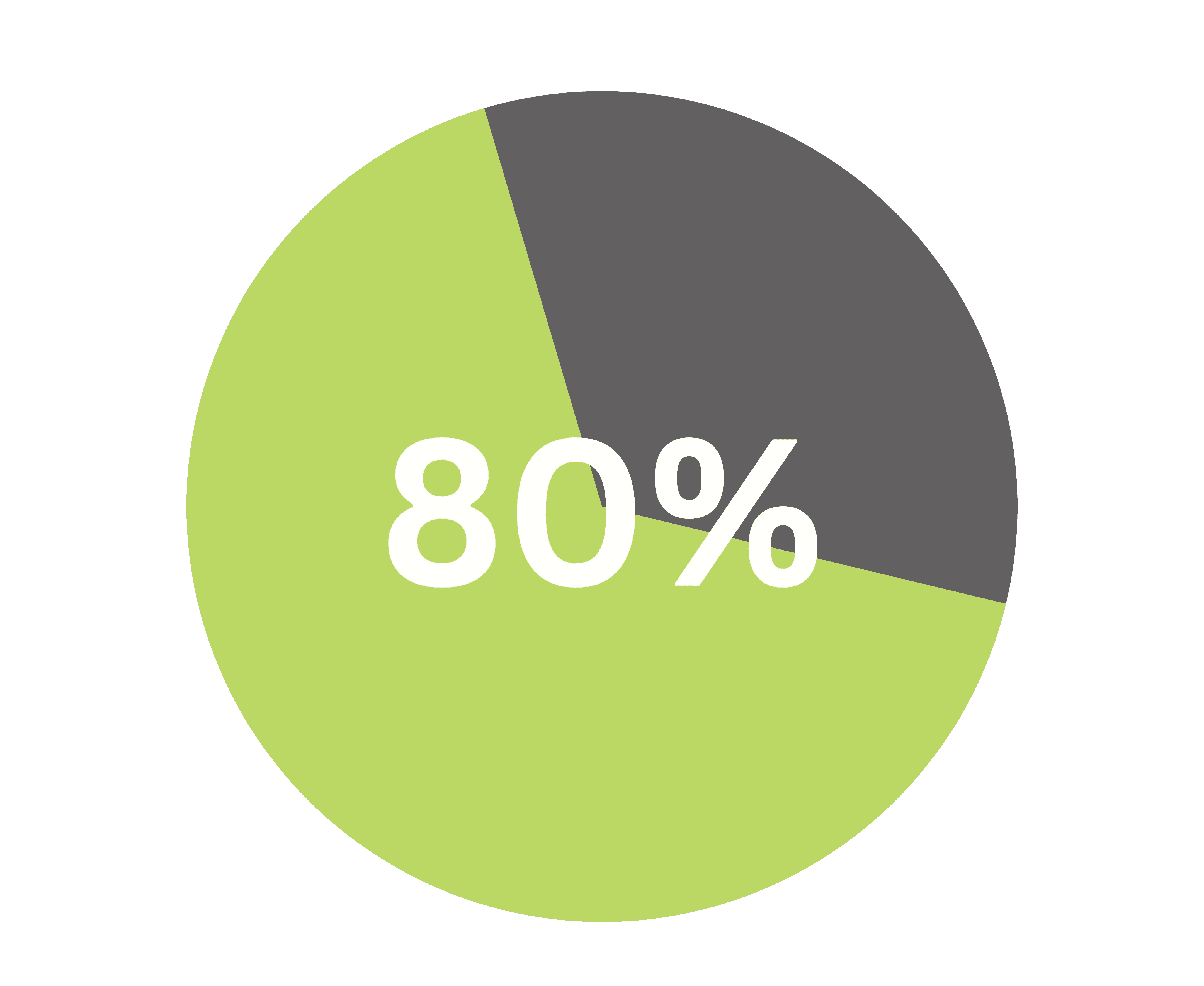
I feel embaraased discussing specific issue
Identifying User Preferences
Identifying what features are in high demand based on findings from user research?
25% | updated health metrics
50% | community in health
75% | access to provider
100% | medication feature
Ideation
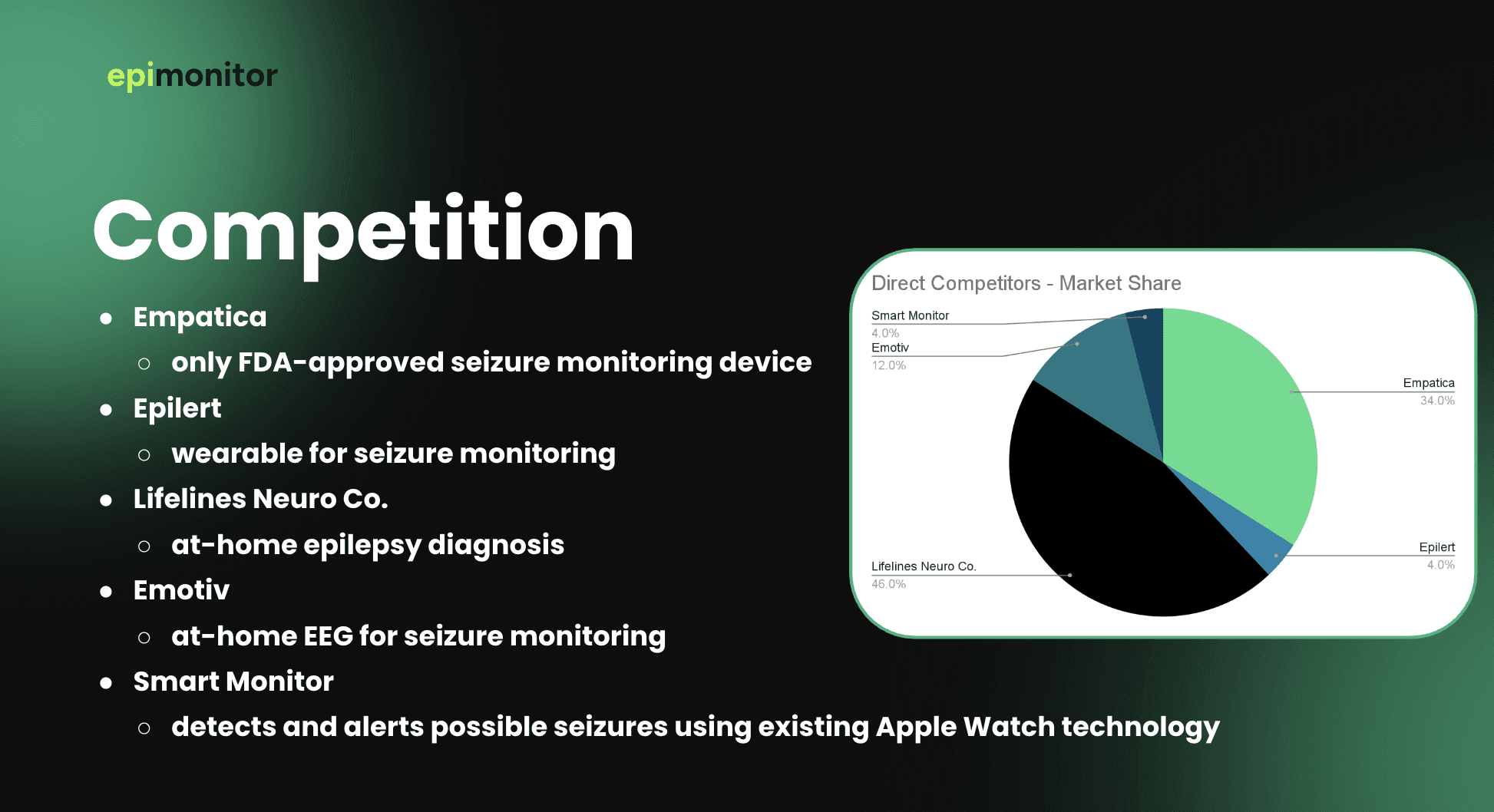
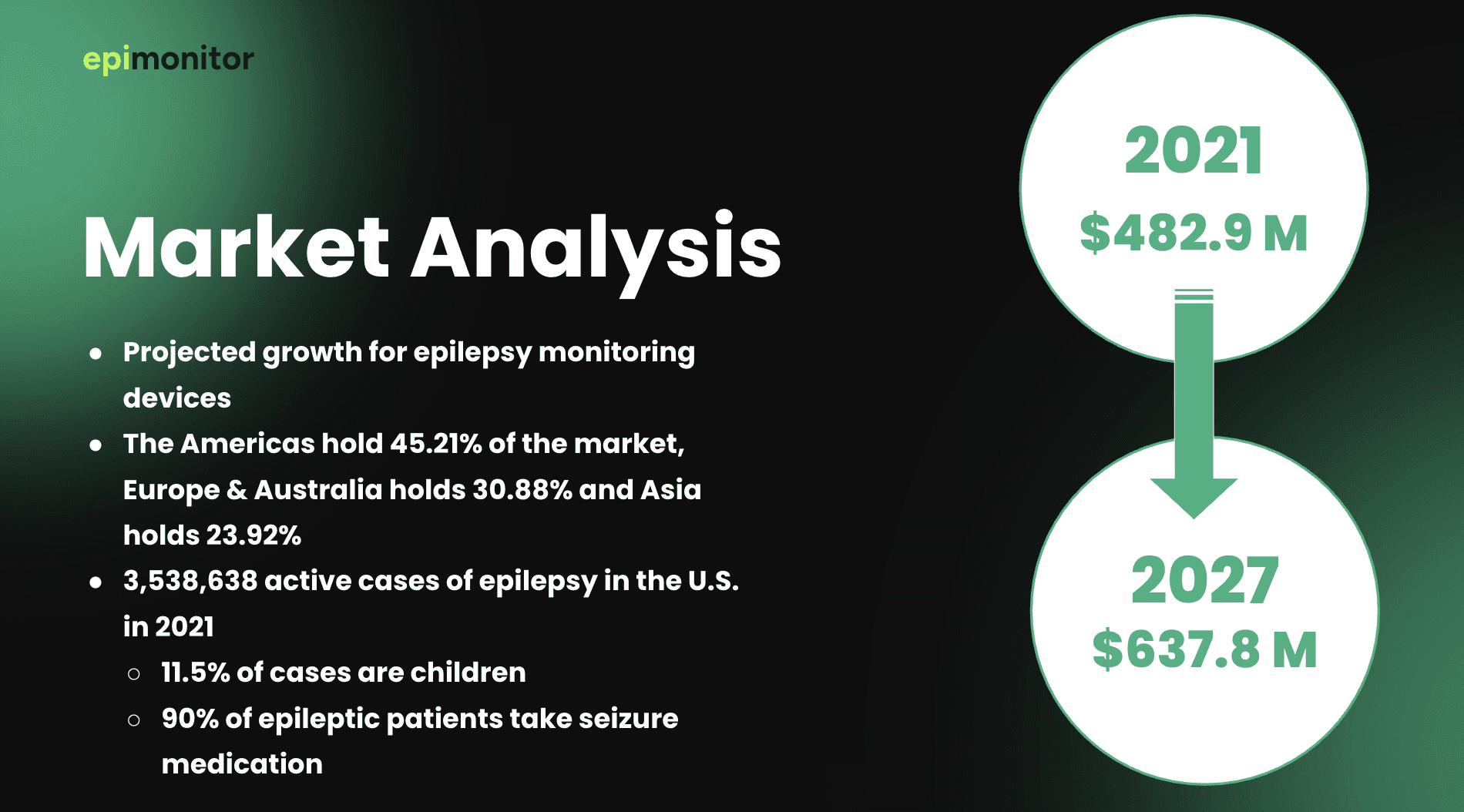
We synthesized our research insights using FigJam and conducted a competitive analysis of existing medical wearables and monitoring apps. From the pain points we identified, we developed four key solution concepts to integrate into the Epimonitor system, focusing on real-time medication tracking, safety alerts, clinician communication, and user-friendly data visualization.
Compeittive + Market Analysis
The Solutions
Real-time medication level updates so users can see how their dose changes throughout the day
Personalized alerts and reminders for missed doses or low medication levels
Caregiver and clinician sharing options to provide safety support and medical oversight
Simple visual trends and insights to help users understand their medication patterns
Predictive risk warnings based on medication fluctuations and history
Gamified adherence tracking to encourage consistent medication use
Discreet wearable design that feels comfortable and blends into daily life
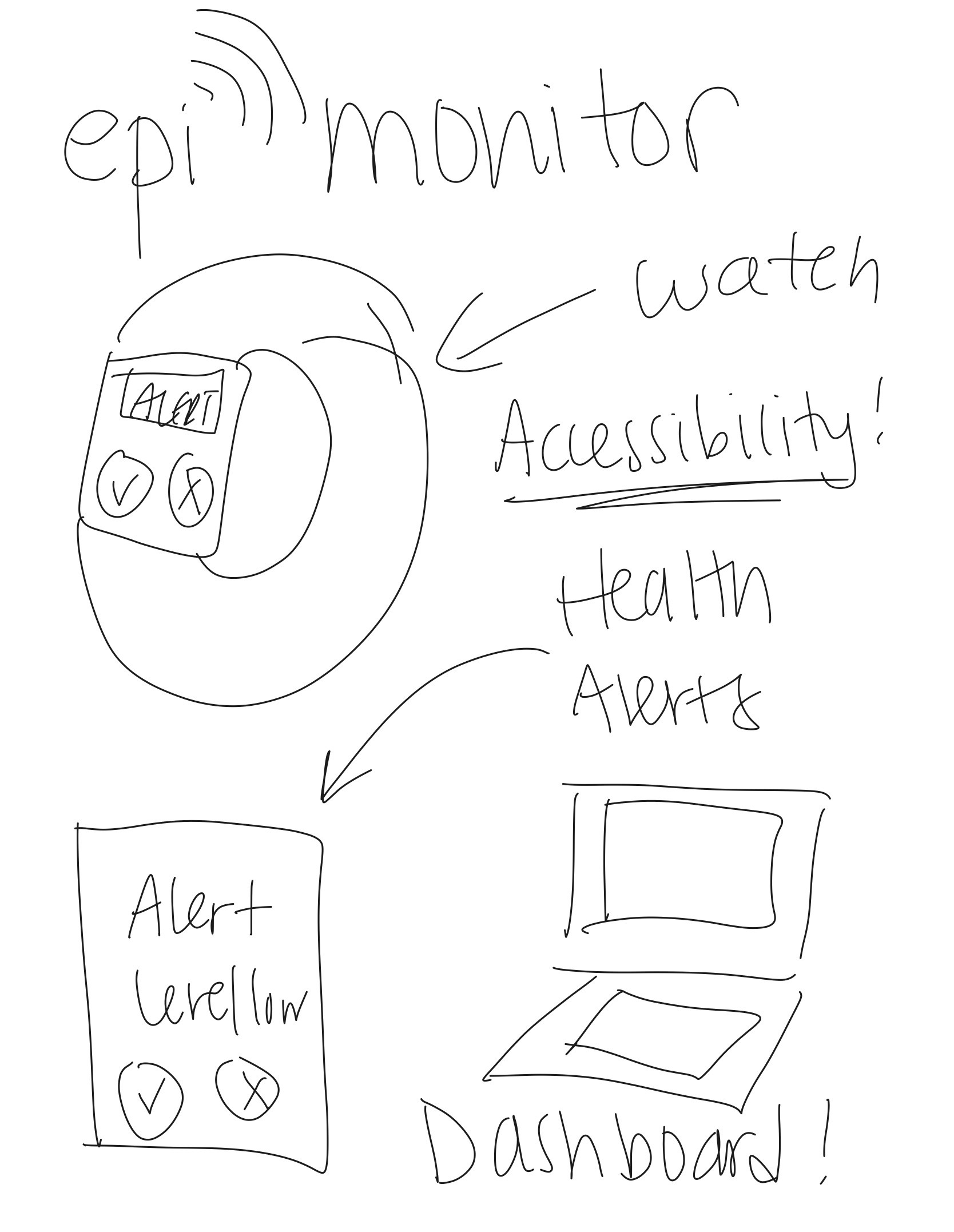
User Personas
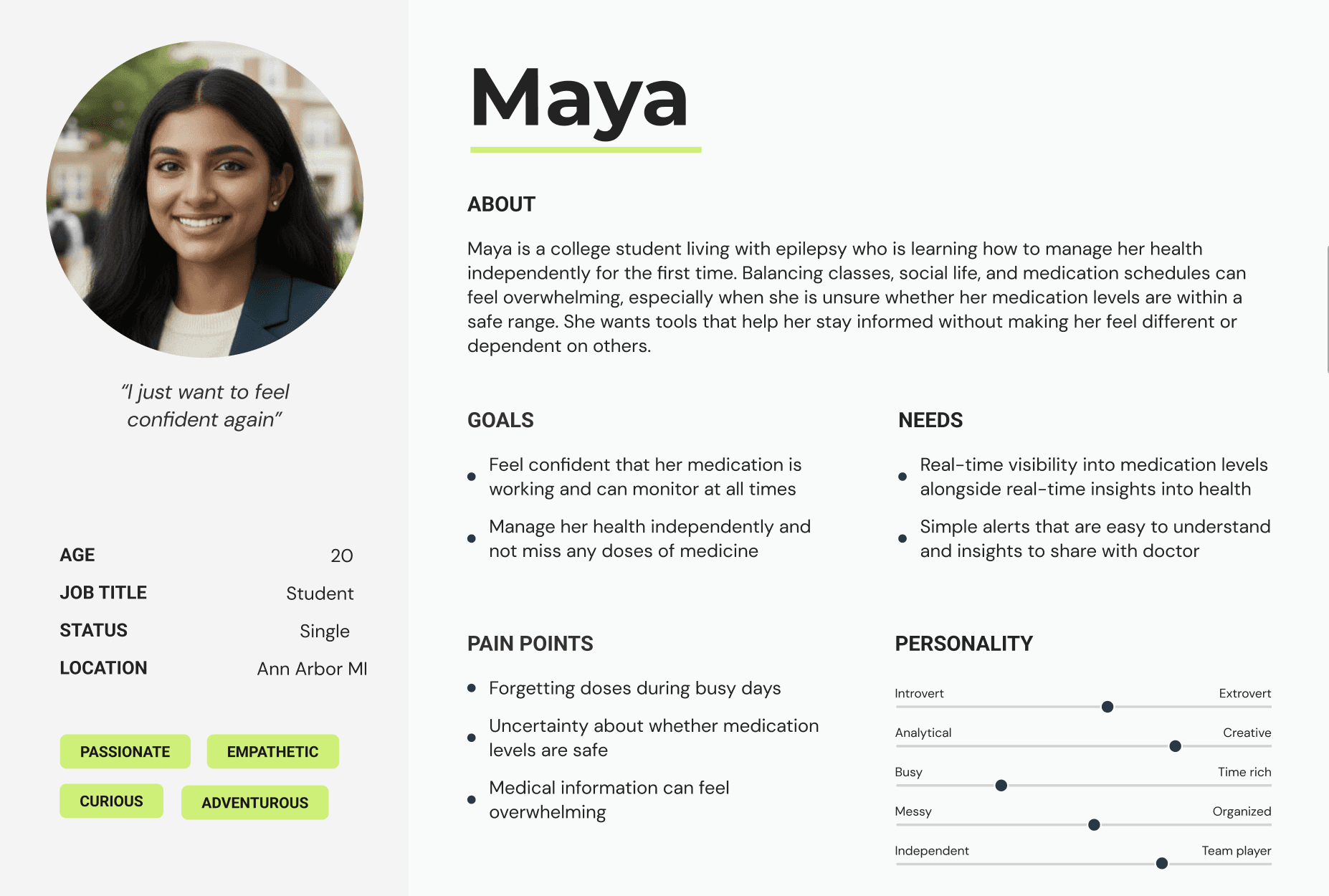
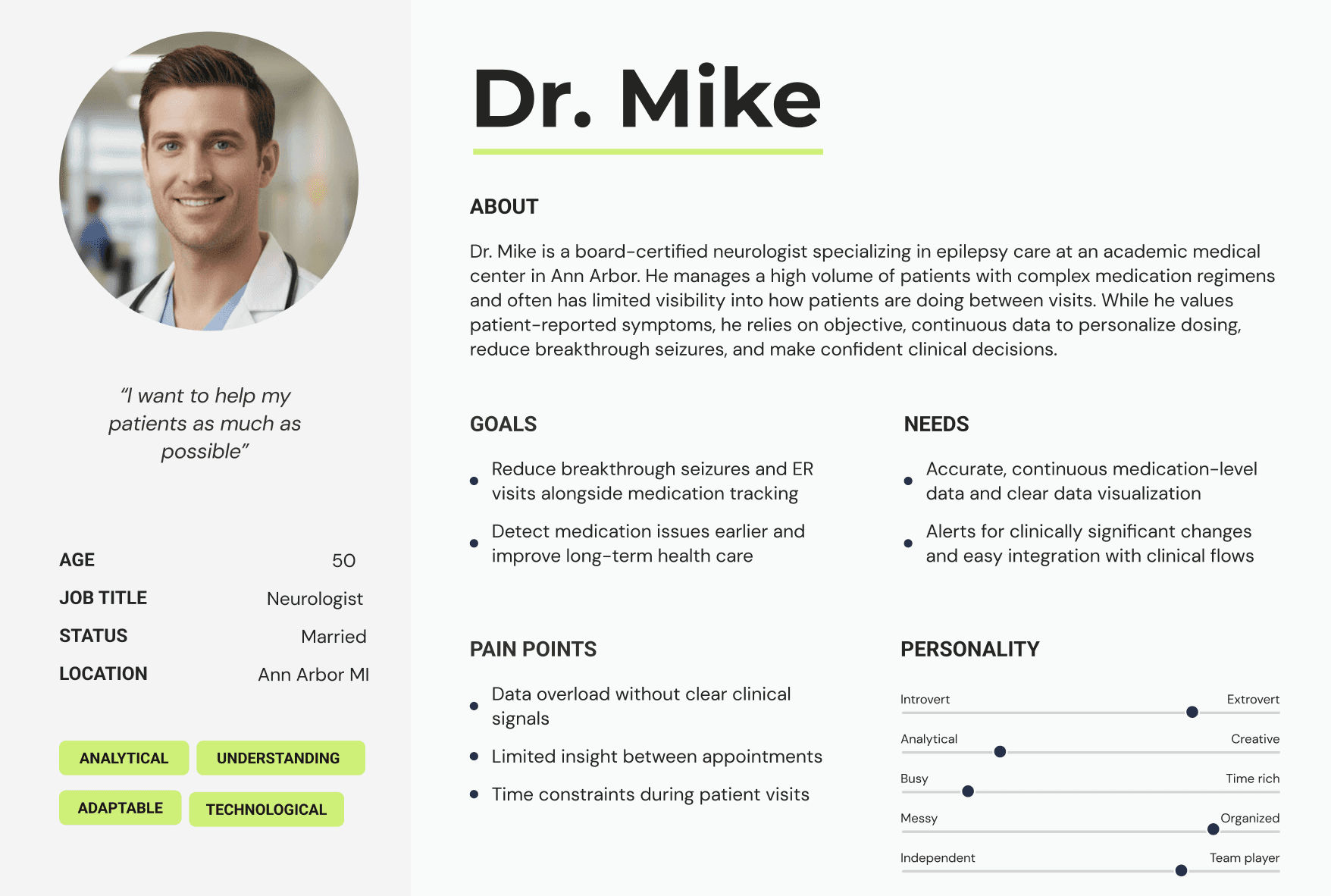
Our research identified two primary users of Epimonitor: patients and clinicians. Patients need a clear, discreet experience that reduces uncertainty through simple visuals and actionable alerts, supporting independence and trust. Clinicians like Dr. Mike require accurate, concise data that fits into limited appointment time and existing workflows. Balancing these needs guided our design decisions, ensuring Epimonitor delivers value to both users and supports better long-term outcomes.
The Patient
Patients need reassurance and clarity in managing their medication. Epimonitor helps reduce anxiety by providing real-time visibility into medication levels and simple alerts that support daily independence. The experience is designed to feel discreet, intuitive, and easy to trust.
The Provider
Doctors need accurate, actionable data without added complexity. Epimonitor delivers clear medication trends and timely alerts that support confident dosing decisions within limited appointment time. The platform is designed to integrate smoothly into existing clinical workflows.
The Solutions
Real-time medication level updates so users can see how their dose changes throughout the day
Personalized alerts and reminders for missed doses or low medication levels
Caregiver and clinician sharing options to provide safety support and medical oversight
Simple visual trends and insights to help users understand their medication patterns
Predictive risk warnings based on medication fluctuations and history
Gamified adherence tracking to encourage consistent medication use
Discreet wearable design that feels comfortable and blends into daily life
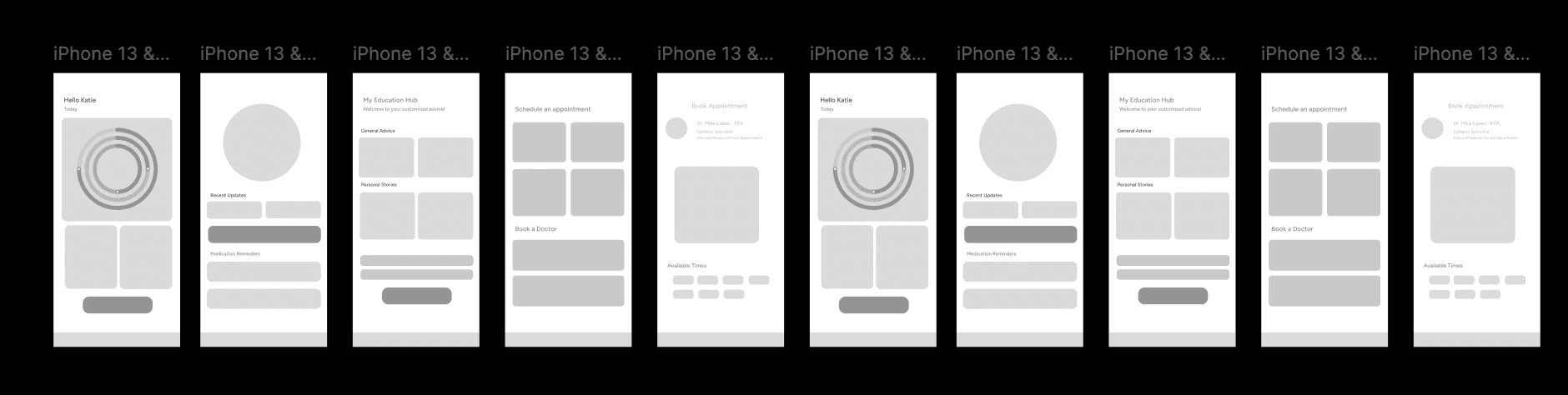
After reviewing feedback from previous testing, I moved on to designing the medium-fidelity wireframes. Since the flow had already been finalized, I was able to focus directly on refining the layout and interaction details.
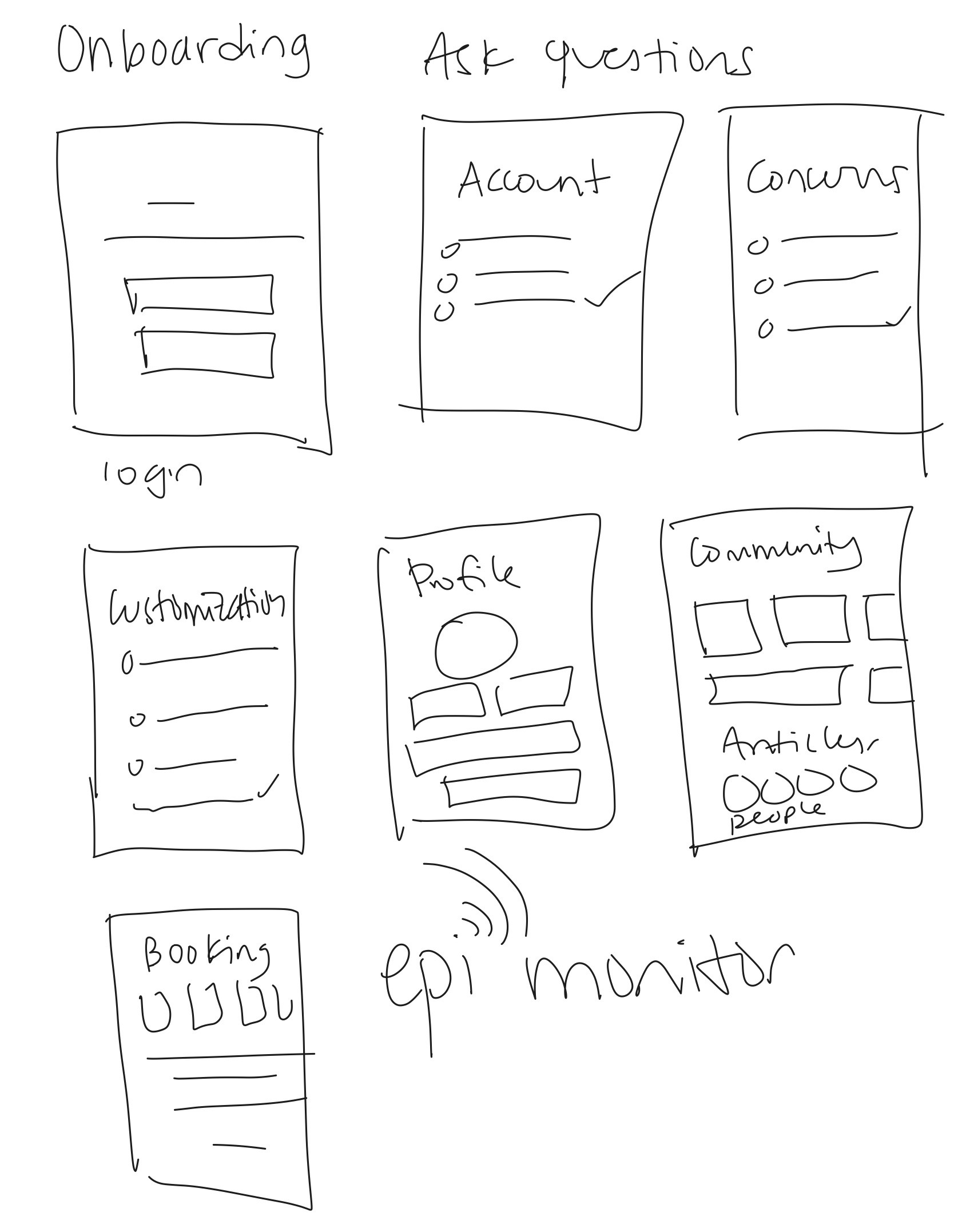
I started with low-fidelity wireframes to quickly map out ideas and establish the basic structure without getting caught up in visuals. This helped me identify usability issues early and make fast adjustments.
Creating the Low/MidFidelity Design Wireframes
Bringing Ideas to Life: Hi-Fi Prototypes
Design System
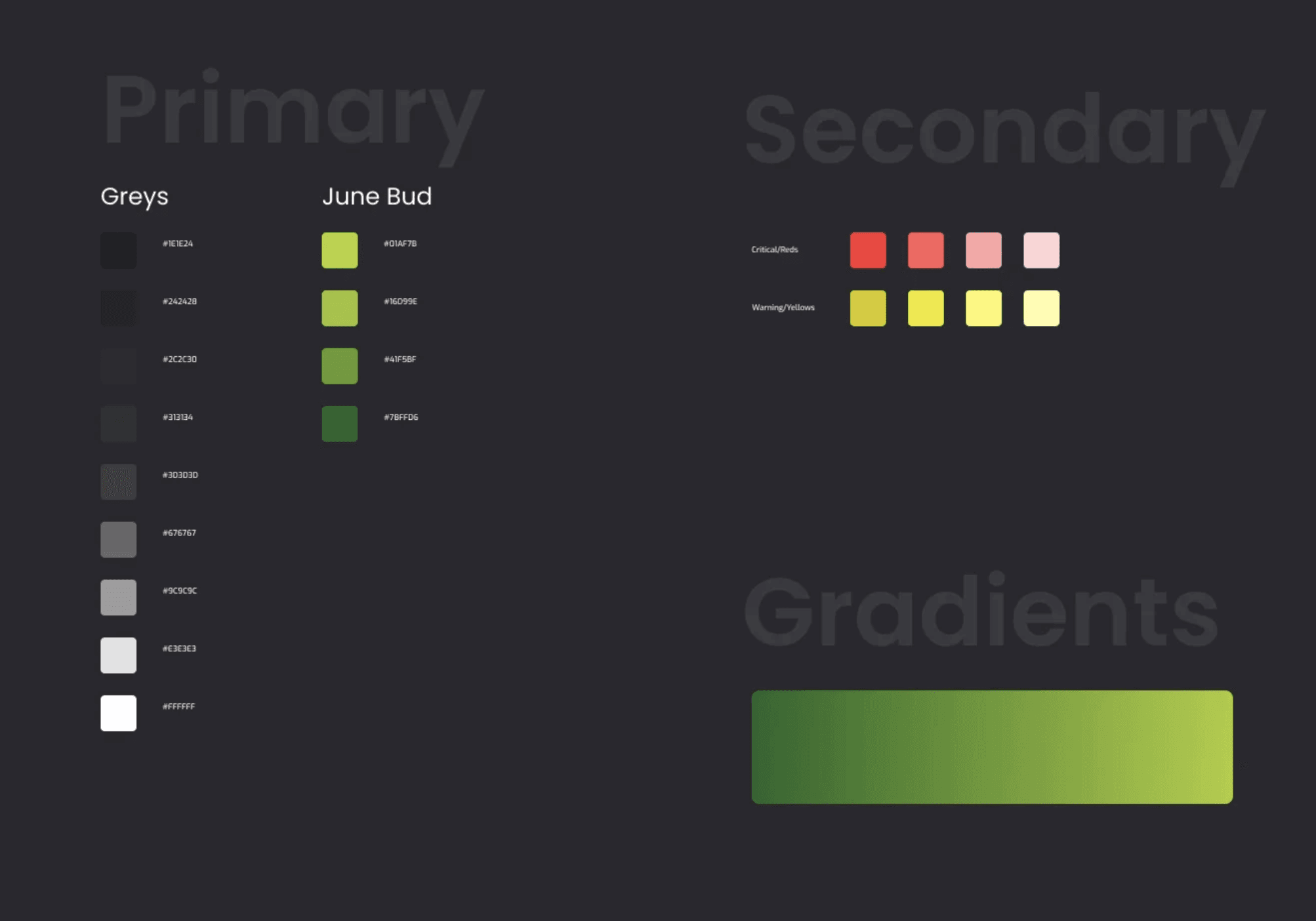
Hi-Fidelity Designs
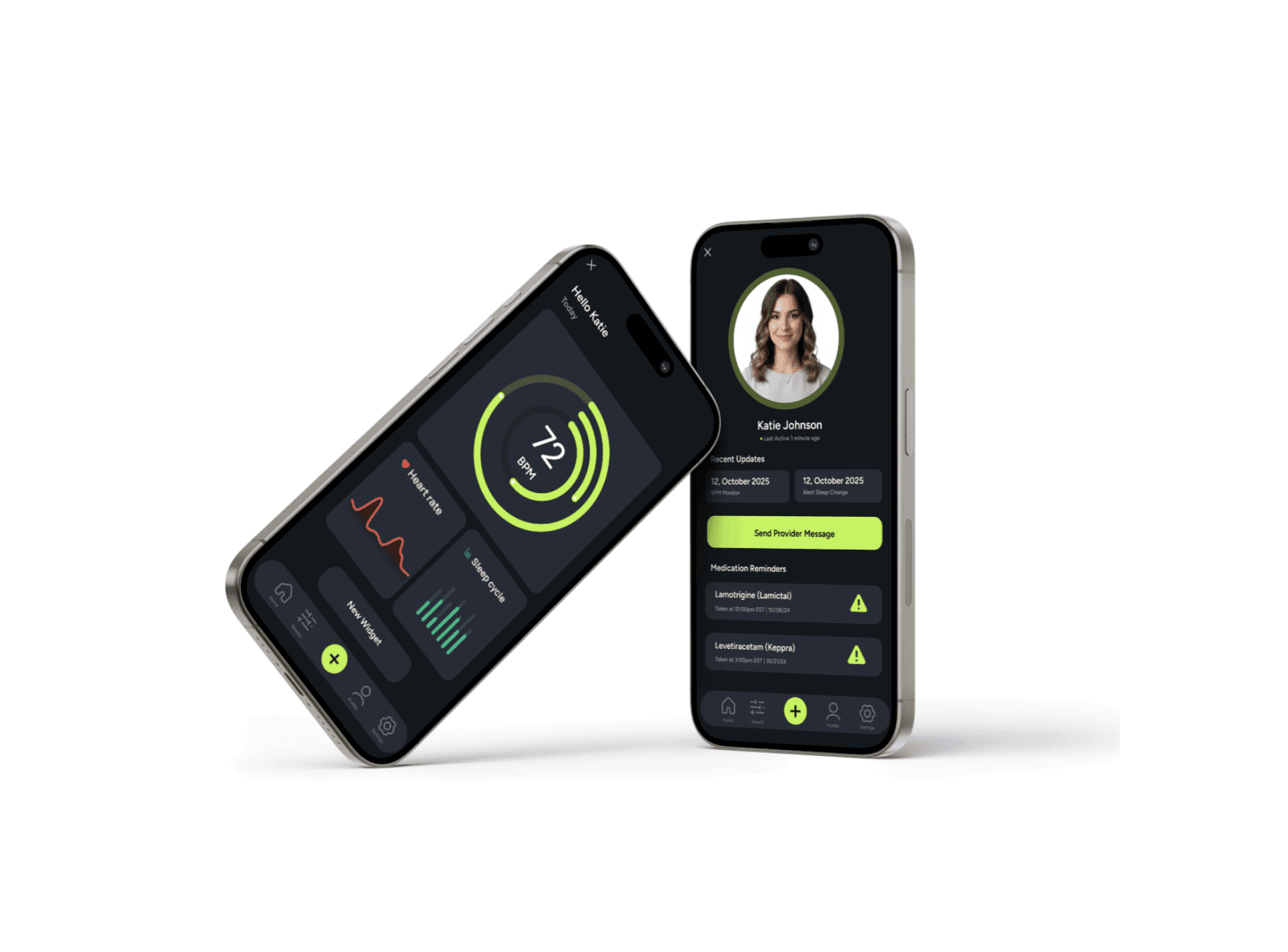
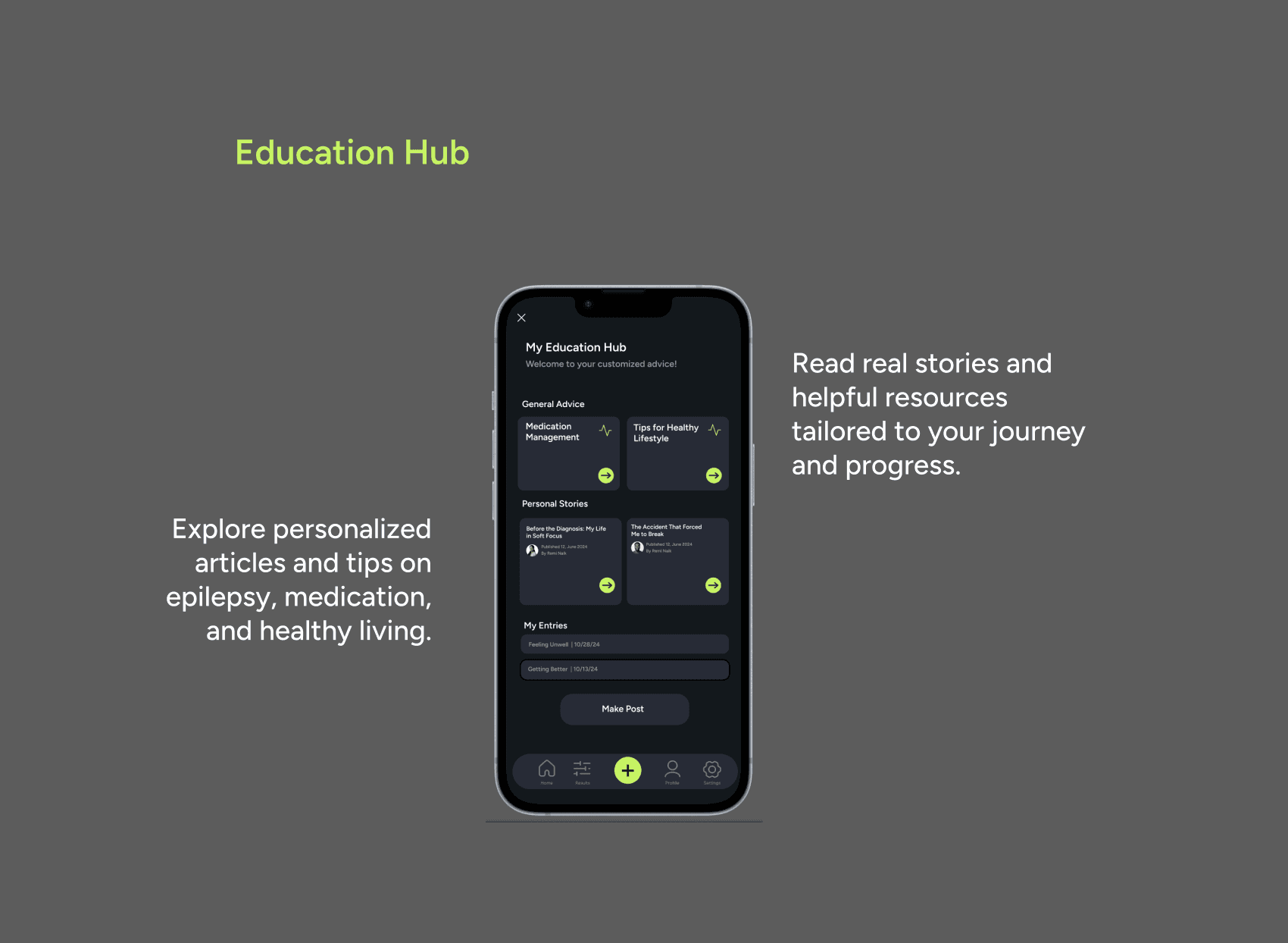
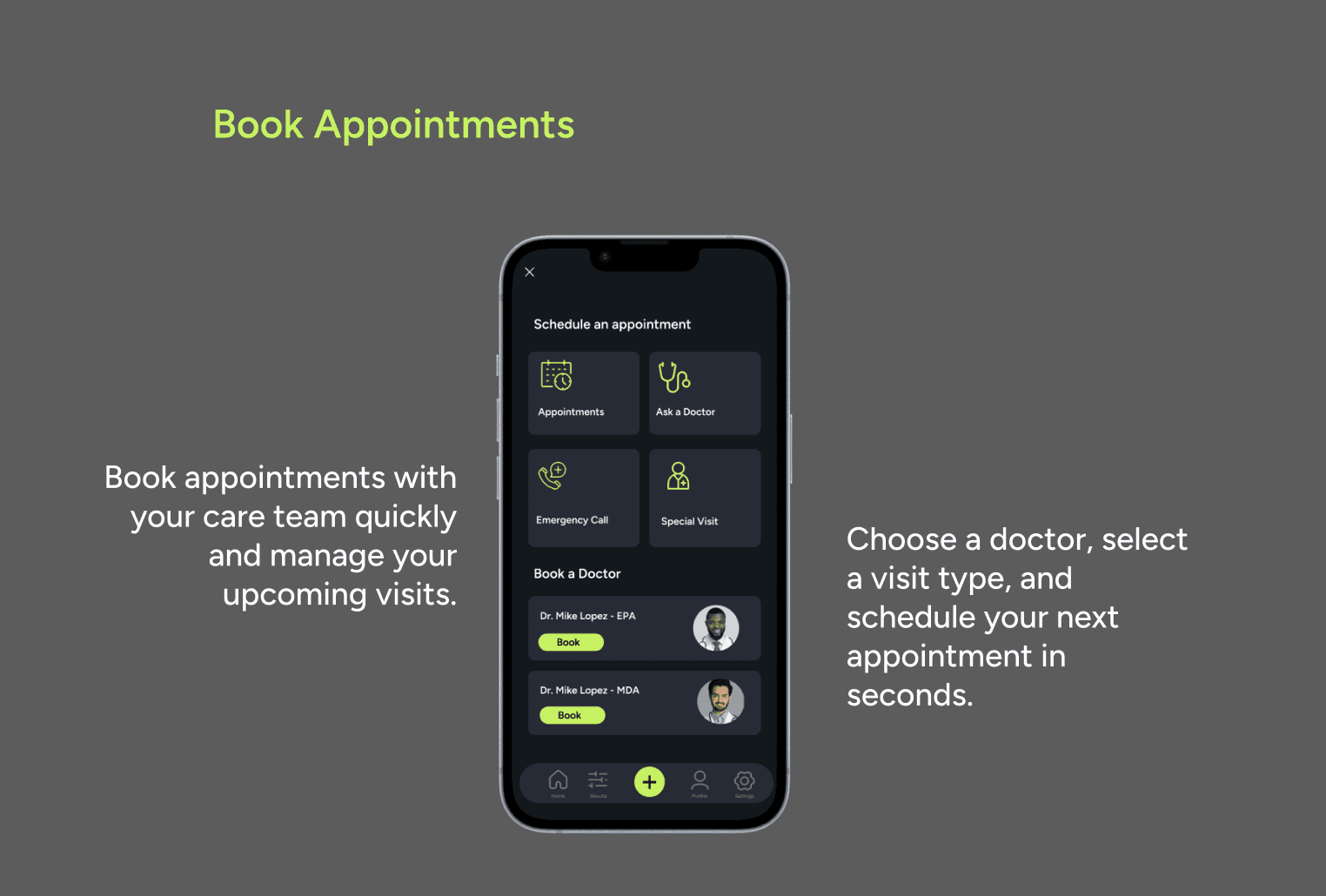
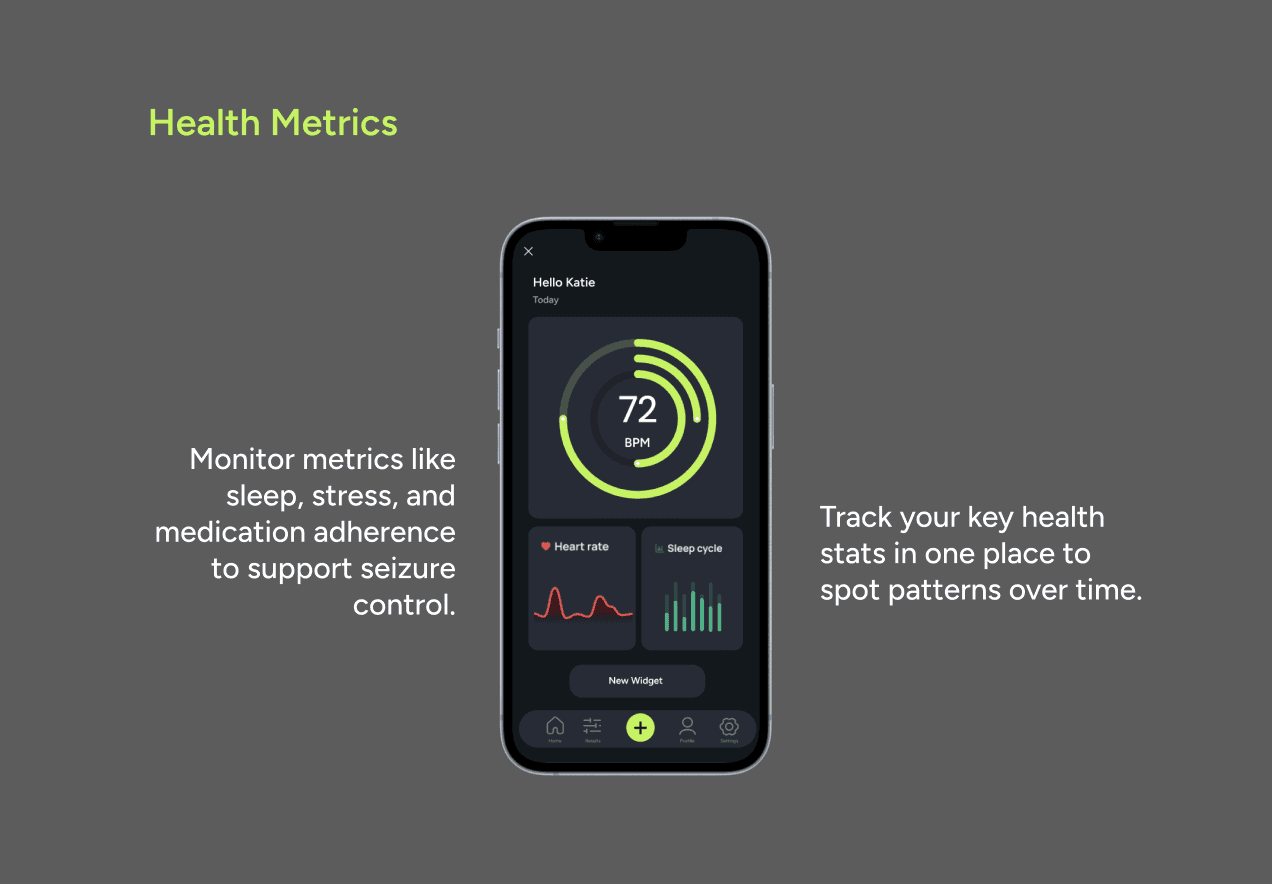
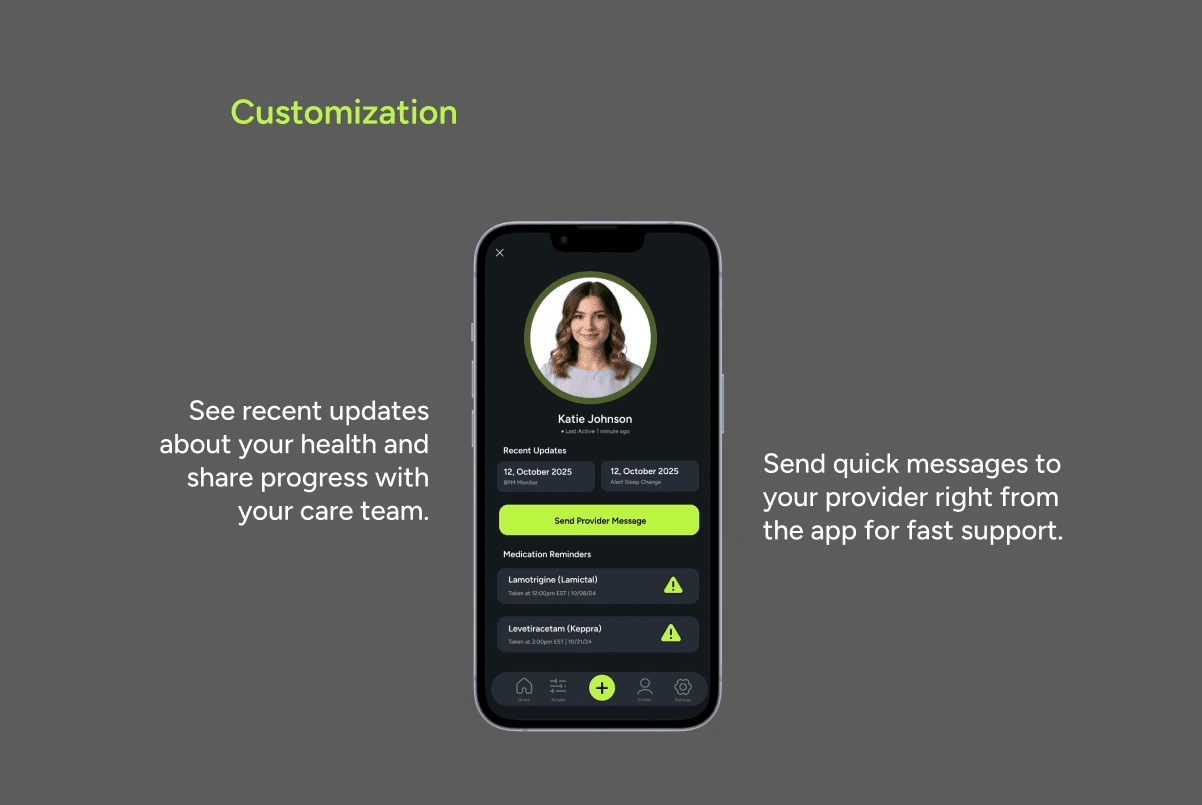
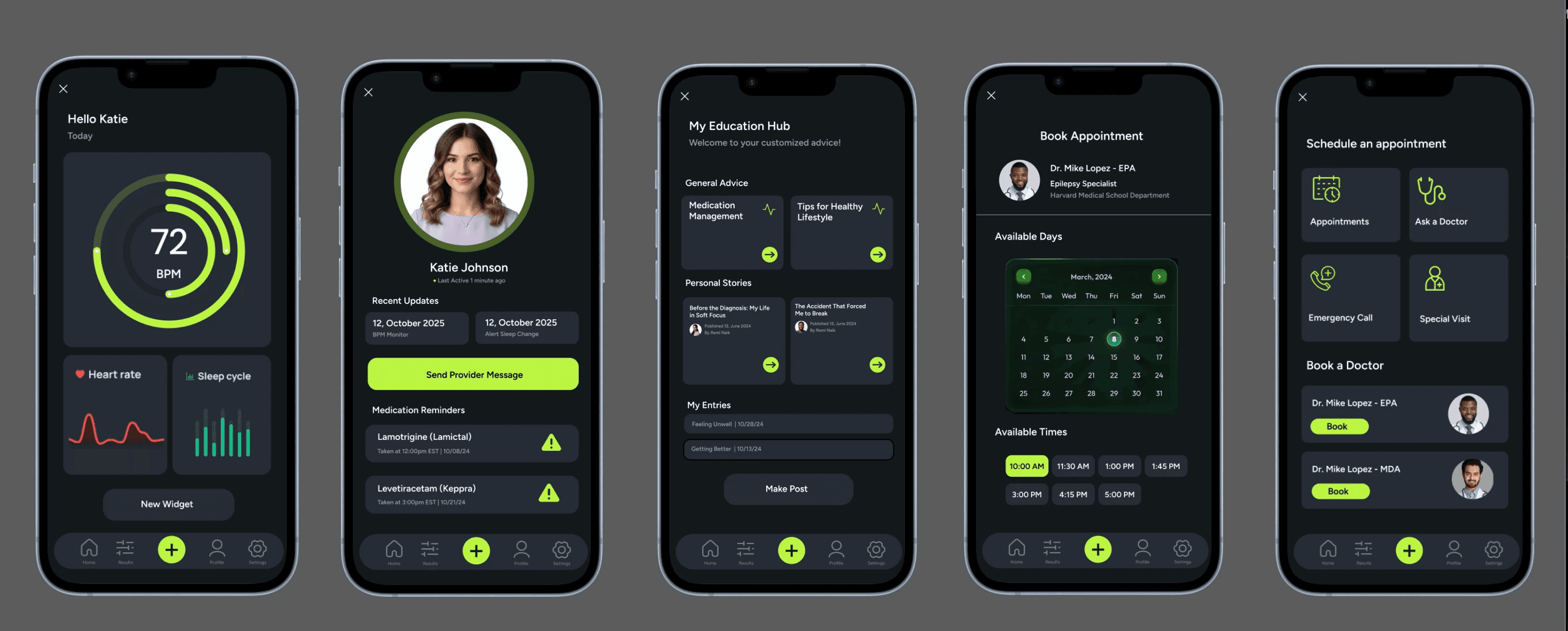
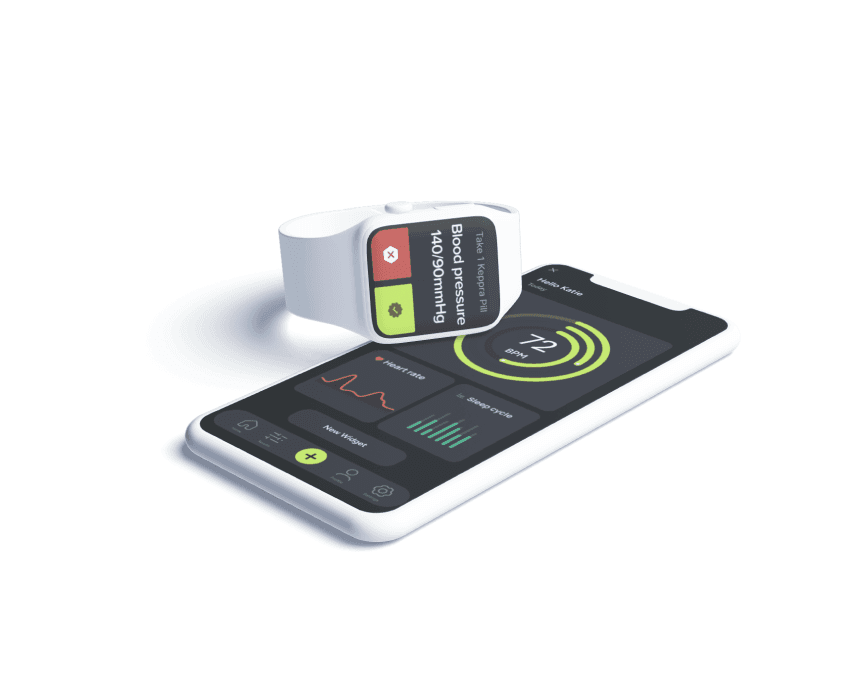
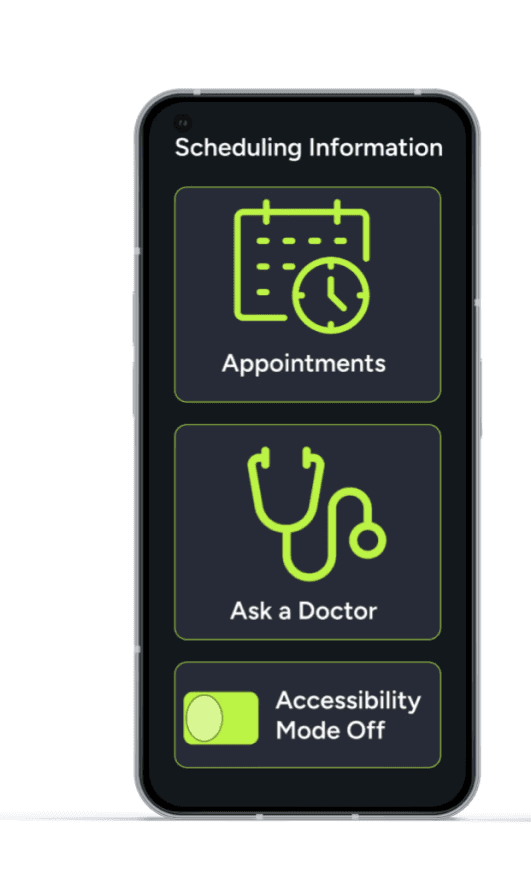
Accessibility Mode
Reflection
anaging epilepsy is more than tracking seizures; it’s about understanding your body, your triggers, and your progress.
Every entry, every appointment, and every small step forward is part of your journey.
Even on tough days, you’re still moving forward, learning what works, and building a stronger, more informed version of yourself.
This app is here to support you, not to define you, so you can feel confident in your care and empowered in your life! I learned so much during this semester long project and my team was super impressed with the mockups :) Access more project material below!
IMPACT
4/5
More likely to book
100%
Confidence Rate after Use
700+
Billion Dollar Industry